45 bad fats on food labels
Which Fats Are Good & Bad for Your Health? - eMediHealth Unsaturated fats are loosely packed fatty acids that bend and move, which is why this fat is commonly liquid at room temperature. Oils are the most recognizable form of unsaturated fat, including olive, canola, or vegetable oil. It is recommended to choose oils over solid fats for a healthy lifestyle. 2. Saturated fat 10 Meaningless Food Labels You Keep Falling For | Prevention This claim is often misleading. If a product contains 0.5 grams trans fat or less per serving, the FDA says it's okay for manufacturers to round down to zero on the label. But the WHO says you ...
Easy Guide to Understanding Food Labels When You Have High ... - MyDoc 1. Choose products low in saturated fat, trans fat and cholesterol. When shopping for food, use the nutrition information panel to compare and choose products with lower fat, saturated fat and cholesterol content. Saturated fat is a type of fat that raises your total and LDL cholesterol and risk of heart disease, so intake should be limited.

Bad fats on food labels
What Foods Are High in Fat? High-Fat Foods to Avoid Foods high in fat to avoid These foods are rich in bad fats, namely, saturated and trans fats and should be avoided: Deep-fried foods (French fries, fritters, chips) Cakes, muffins, cookies Ice cream and other frozen desserts Red meat (steak) and processed meats (bacon, sausage) Chicken skin Butter, margarine, lard 7 Nutrition Label Ingredients to Avoid - Walker Methodist Simply replacing trans-fats with healthy fats could decrease your risk of heart disease by 53 percent. Partially Hydrogenated Oils Partially Hydrogenated Oil is another form of trans-fat to watch out for on nutrition labels. This type of trans-fat is known to clog arteries and contribute to obesity and heart disease. High Fructose Corn Syrup (HFCS) How to Read a Food Label with Kids - Feeding My Kid These types of fats help children absorb vitamins and compliment cognitive skills. However, too much of any fat can be burdensome and lead to weight gain. Now when reading a food label, you need to make sure that the product does not have too much saturated fat; and that it does not have any trans fats. Trans fats should be avoided. Trans Fat
Bad fats on food labels. Food Labeling: Beware the "Health" Halo | Food Network Healthy Eats ... All foods that come from a plant like fruits, veggies, grains, nuts and seeds are free of cholesterol. So when a food label on a package of nuts or raisins touts that their product is... Trans Fats: The Truth in Labeling | Atkins After 2006, when the new labeling laws go into effect, the FDA will still allow manufactucturers to list "zero" under trans fats if there is less than ½ gram per serving of the food. They will also permit manufacturers to say "zero trans fats" on the label if a serving size contains a half gram or less. This is a bad rule that needs ... Fat Facts: Good Fats vs. Bad Fats - WebMD The two fats to limit are: Saturated fat found in meats, butter, cream, or ice cream, and other foods with animal fat. Trans fat, a man-made fat found in some margarines or packaged baked. Here are... 7 Hidden Messages In Packaged Food Labels - Eat This Not That While some think having foods with fat in it is bad, it's actually healthy to have a good amount of fat in your diet—fatty foods make you feel full! However, knowing the different types of fat will matter when reading a nutrition label. According to Mayo Clinic, limit your saturated fat count to less than 10 percent of calories a day. As for ...
Understanding Food Nutrition Labels | American Heart Association When the Nutrition Facts label says a food contains "0 g" of trans fat, but includes "partially hydrogenated oil" in the ingredient list, it means the food contains some trans fat, but less than 0.5 grams per serving. So, if you eat more than one serving, you could end up eating too much trans fat. Good fats and bad fats - Saga If a food product has these words on the label it must contain 25% less fat than a similar standard product. This can still mean a lot of fat! Read the label carefully to see how much fat there is in 100g of the food. Less than 5% fat - or 95% fat free This means that the food has less than 5g of fat per 100g. Good Fats, Bad Fats :: Diabetes Education Online "Bad" fats increase your risk for coronary heart disease, and need to be limited in your diet: Saturated fats Hydrogenated fats Trans fats Saturated fats, which usually come from animal sources, are naturally solid at room temperature. Examples are lard, butter, milk fat, meat, chicken and pork skin, ice cream and cheese. Food Label Detective: How to Spot the Good Fats - The Dr. Oz Show Both saturated fat and trans fat amounts are clearly listed underneath "Total Fat," although some foods labeled trans fat-free may still contain small amounts (up to 0.5 grams) of trans fat. That's why it's important to also check a food's ingredient list. Avoid foods that contain "partially hydrogenated oil," which means trans fat is present.
How to Understand and Use the Nutrition Facts Label | FDA Saturated fat, sodium, and added sugars are nutrients listed on the label that may be associated with adverse health effects - and Americans generally consume too much of them, according to the... What Are the Fats Not Listed on Nutrition Labels? - SF Gate Vegetable oils, especially canola, olive and peanut oils, almonds, hazelnuts, pecans, pumpkin seeds and sesame seeds are all good sources of monounsaturated fats. Polyunsaturated Fats... Reading food labels: Tips if you have diabetes - Mayo Clinic Put sugar-free products in their place. Sugar-free doesn't mean carbohydrate-free. Sugar-free foods may play a role in your diabetes diet, but remember that it's equally important to consider carbohydrates as well. A sugar-free label means that one serving has less than 0.5 grams of sugar. 8 Ways Your Nutrition Label Is Misleading You - Taste of Home 7. Zero Trans Fat. Artificial trans fats are the worst of all fats, increasing the risk of heart attack, stroke, diabetes and other health problems. The FDA has finalized its decision to eliminate trans fats from food, but manufacturers have until 2018 to meet the new standards. So for now, be leery of "0 trans fat" claims.
The day I discovered the truth about trans fats: ‘poison’ hidden in plain sight | News, Sports ...
Interpreting Total Fat and Types of Fat on Food Labels - Nina Cherie ... Trans fats and, in some cases saturated fats, are considered "unhealthy" or "bad" while monounsaturated and polyunsaturated (omega-3) fats are generally healthier alternatives or "good" fats. Saturated fats are naturally found in animal-based foods including meats, dairy products and eggs.

How Food Labels Are Making Us Fat (Infographic) - mindbodygreen
Food Labels: Fat & Cholesterol | Home & Garden Information Center Eating too much total fat, saturated fat, trans fat or cholesterol may increase your risk of certain chronic diseases, like heart disease, high blood pressure and some cancers. Facts on Food Labels Food labels contain clues to a food's fat and cholesterol content, including the amount per serving.
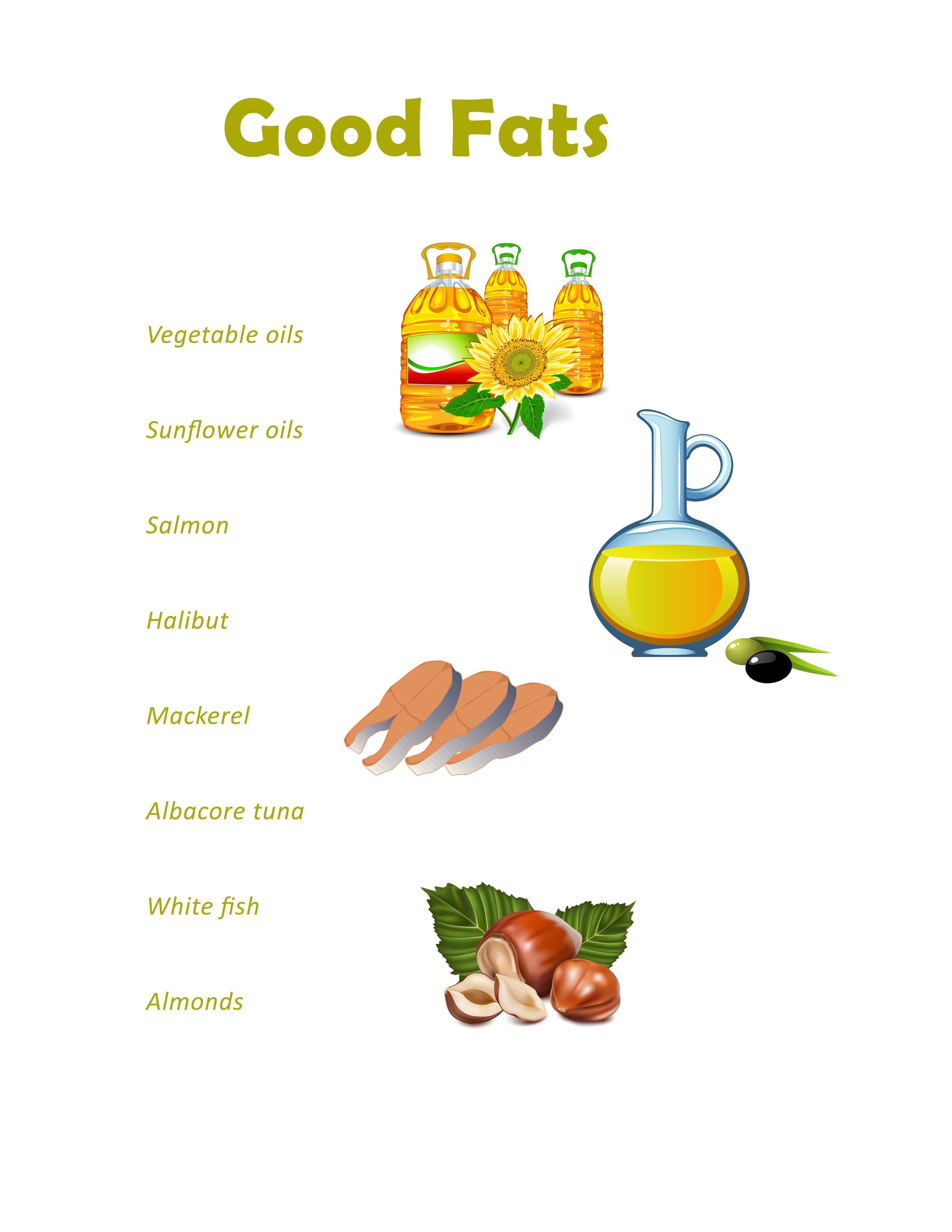
List of Good Fats
Top 10 High Fat Foods to Avoid - myfooddata Read ingredient labels and avoid any trans or partially hydrogenated fats or oils. High-fat foods to avoid include fast foods, whipped cream, fatty meats, fried foods, fatty snacks, processed meats, desserts, fatty salad dressings, animal fats, and trans-fats. ( 1) The daily value (DV) for fat is 78 grams per day. ( 2)

Cut the BS: Educate Yourself on The Unhealthiest of 'Health' Foods
Food Myths and Food Labels - Are "Scary" Ingredients Bad for Your ... Well according to "experts" on food myths, all those seemingly harmless ingredients lingering in every corner of your neighbourhood grocery store are causing: inflammation, bloating, gut disruption, cancer, leaky gut, headaches, fatigue and literally every other disease. I know it sounds scary, and I personally understand this fear.

FDA Ban on Trans Fat - Escali Blog
Good Fats vs. Bad Fats: Everything You Need to Know Short for "trans fatty acids," trans fat appears in foods that contain partially hydrogenated vegetable oils. These are the worst fats for you. You might find trans fat in: fried foods (French...

31 What Does Fat Free Mean On A Food Label - Labels For You
Food Labels: 5 Harmful Ingredients To Avoid - ThePostGame.com Here are some of the worst ingredients that are added to many foods that you should look out for and avoid: Partially Hydrogenated Oil Partially hydrogenated oil is another name for a trans fat....

How to Read A Nutrition Label | UnityPoint Health - Fort Dodge
On some food labels, there is also just an indication of how much fat is contained in a product but there is no differentiation between good and bad fats. Even though all kinds of fats contain a similar amount of calories, there are still huge differences regarding their health effects.

The dangerous fat hiding in your food - Easy Health Options®
Fat Content on Food Labels - Reading Between the Lines The Mayo Foundation continued, "Still, you may be able to tell if a product contains trans fat, even if it's not directly listed on the food label. Look for the words ' hydrogenated ' or 'partially hydrogenated' in the list of ingredients. These terms indicate that the product contains trans fat.
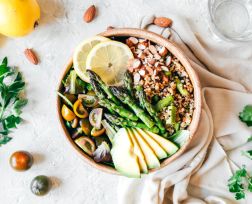
How Food Labels Are Making Us Fat (Infographic) - mindbodygreen
The 6 Biggest Food Label Lies | Eat This Not That Doritos. The Crime: On its nutrition label, Frito-Lay reassures us that Doritos contain zero gram of trans fats. Problem is, it's a blatant lie! The Evidence: Partially hydrogenated oil is the primary source of trans fats, and these cheesy chips contain two types: partially hydrogenated soybean oil and partially hydrogenated cottonseed oil.
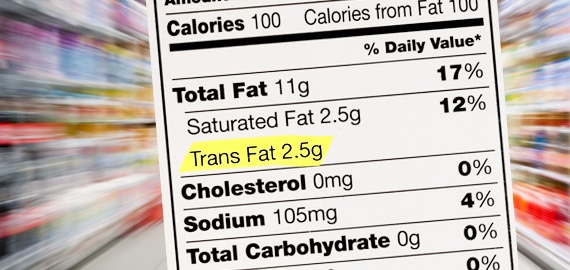
Trans Fats On the Way Out? The FDA Moves to Ban Partially Hydrogenated Oils
How to Read a Food Label with Kids - Feeding My Kid These types of fats help children absorb vitamins and compliment cognitive skills. However, too much of any fat can be burdensome and lead to weight gain. Now when reading a food label, you need to make sure that the product does not have too much saturated fat; and that it does not have any trans fats. Trans fats should be avoided. Trans Fat
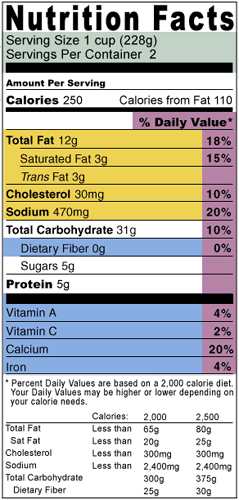
Are Trans Fats Really That Bad?
7 Nutrition Label Ingredients to Avoid - Walker Methodist Simply replacing trans-fats with healthy fats could decrease your risk of heart disease by 53 percent. Partially Hydrogenated Oils Partially Hydrogenated Oil is another form of trans-fat to watch out for on nutrition labels. This type of trans-fat is known to clog arteries and contribute to obesity and heart disease. High Fructose Corn Syrup (HFCS)

6 Science-Backed Reasons to Stop Eating Store-Bought Peanut Butter IMMEDIATELY
What Foods Are High in Fat? High-Fat Foods to Avoid Foods high in fat to avoid These foods are rich in bad fats, namely, saturated and trans fats and should be avoided: Deep-fried foods (French fries, fritters, chips) Cakes, muffins, cookies Ice cream and other frozen desserts Red meat (steak) and processed meats (bacon, sausage) Chicken skin Butter, margarine, lard

How Food Labels Are Making Us Fat (Infographic) - mindbodygreen

How Food Labels Are Making Us Fat (Infographic) - mindbodygreen

Decoding Ingredients on Processed Food Labels - Family Wellness HQ
Post a Comment for "45 bad fats on food labels"